Impact of Family Engagement in Education during a Pandemic

During the crucial time of this pandemic, we have suddenly been forced to shift to a new lifestyle with more engagement digitally, through ‘modern technology’. This raises the question, if it is so difficult for an adult to adapt to this scenario, would such an adjustment be suitable for a child who is under the process of learning; new definitions, concepts and ideas? One must understand that their main source of engagement with technology is usually for entertainment, but asking them to go to school on a mobile device is a complete shift in their paradigm. What about millions of children who do not have access to such fast paced technology and related resources? EduTech markets is growing at light-speed. Is the society ready for this? Or are we knowingly creating more inequality?
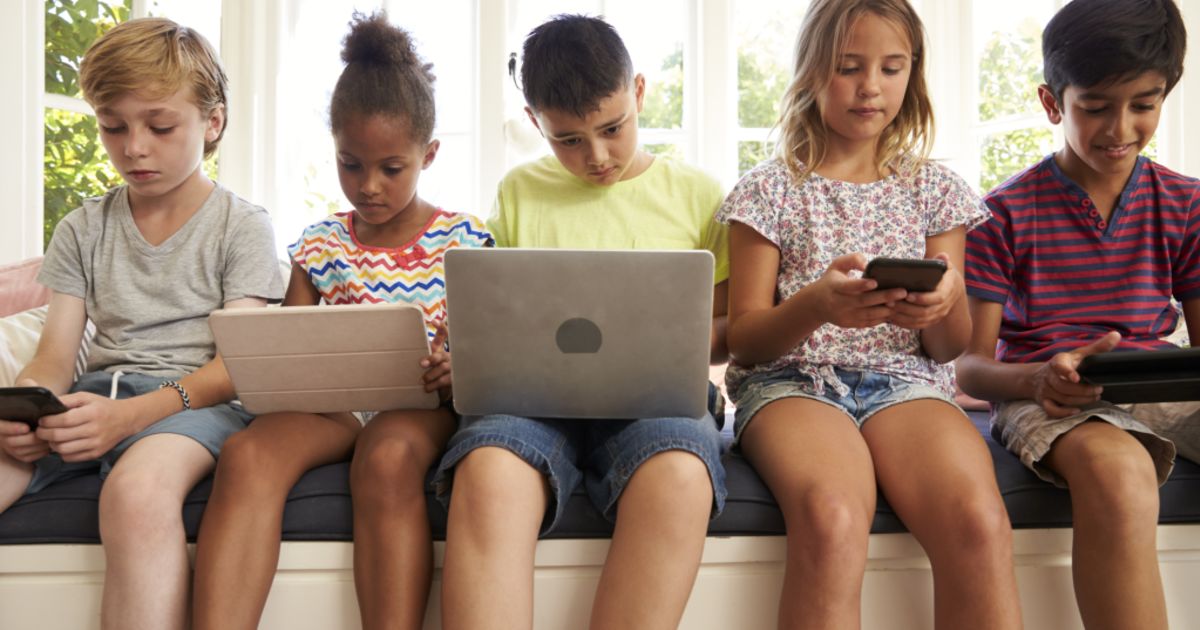
As a researcher, I strongly feel we have not even understood the process of engagement within the classroom space and the sociological factors involved in the child’s upbringing with their interaction in a school environment. But, we have all been placed behind a glass screen, due to our own actions. So, where has it brought us?
Well, I am one of those people who is trying to involve herself in MOOCs. One such course I am a part of, revolves around the topic of family engagement. I hope to achieve more understanding into the idea and activities involved in family engagement as the term ‘Parental Involvement’ is no longer in use. As a researcher, my area of interest lies in the nature of resources that is involved in the teaching and learning processes utilised for better knowledge and educational experience for the child in school and at home.
Within just 15 years of a child’s life there are many people who are majorly involved directly or indirectly which may shape what person they may end up being. When we look at the term, ‘engagement’, I visualise it as a web connecting a variety stakeholders at different timelines, different lengths, different speeds of interaction, and so on, with the child placed at the centre. How is an innocent child to know how the environment affects them drastically when they have the least role to play within this web?

It is a very interesting process, the engagement is dependent on many other factors; the socio- economic status of the family and the school, the philosophy of the school, the other members of the society that are not even directly associated with the child affect his/her life. I have heard stories of hi-flyer students, whose parents are very economically poor or fall below the poverty line, are provided scholarships at very reputed schools by multiple CSR initiatives. Some of these parents/guardians are abusive, violent, alcoholics or even drug addicts that have no involvement or severely negative involvement in the child’s life once they return home. Being home could probably nothing short of horrific, creating a counter- balance in the motive of from-home-engagement of schools during a the pandemic where they are compelled to be at home even with the availability of material resources and technology. It is not the same lifestyle, experience or feeling that a child from comparatively well- off families encounter. It makes me wonder, whether a child who is academically brilliant and potential, can succumb and succeed under such pressurised circumstances, as these experiences shapes them to be the future of a global society we are all a part of.

 Ranjani's Sepulcher